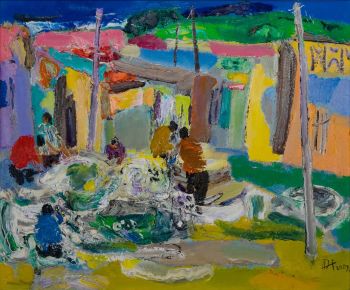
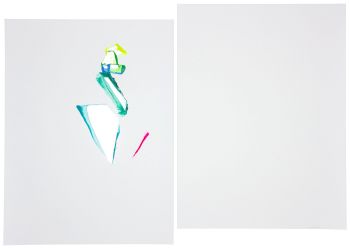
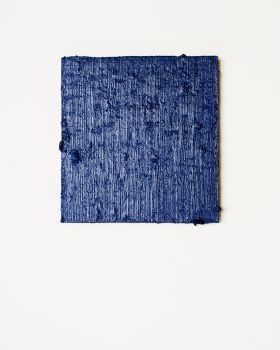
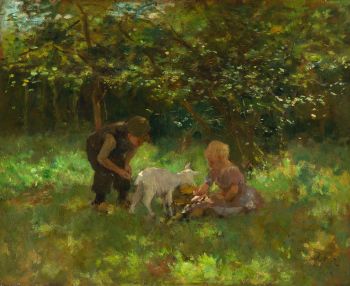
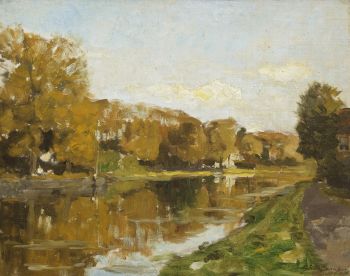
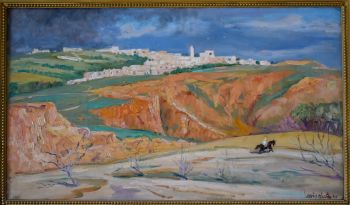
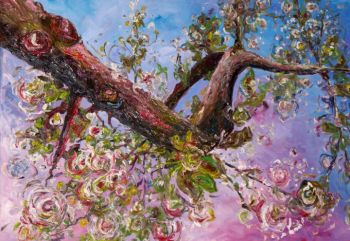
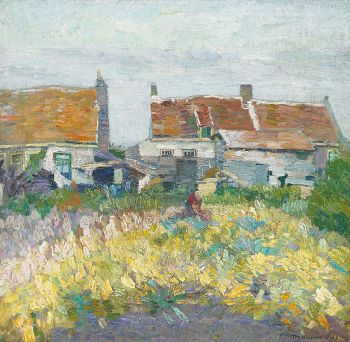
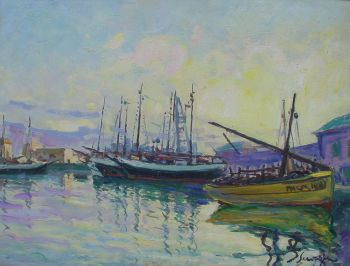
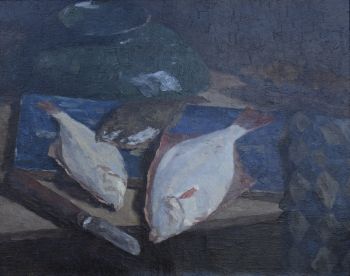
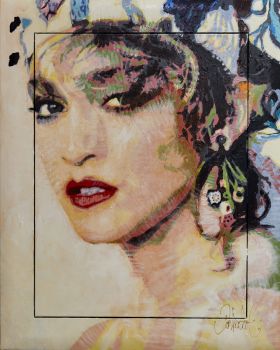
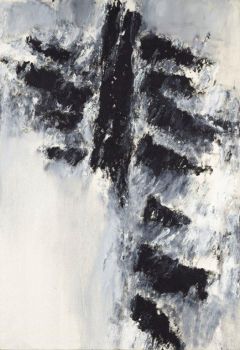
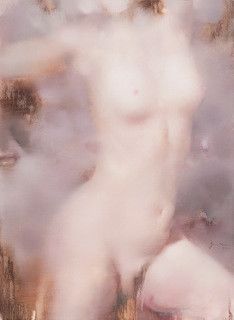
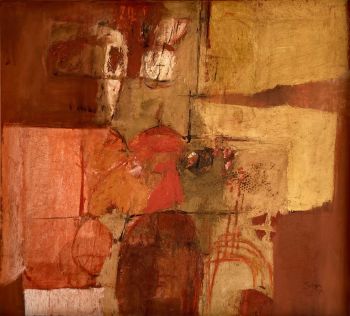
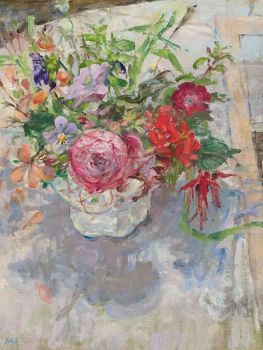
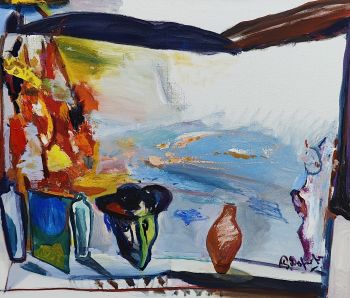
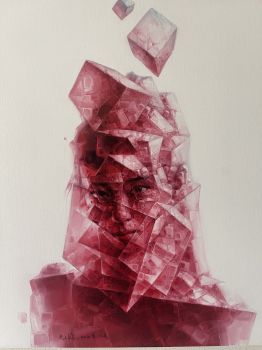
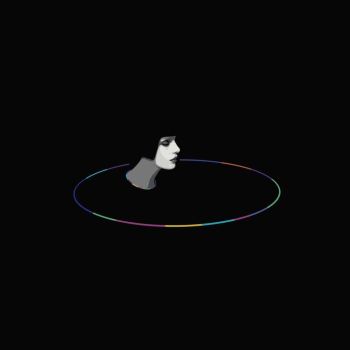
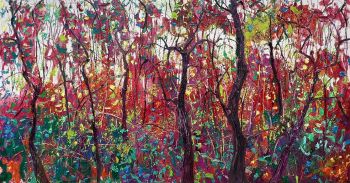
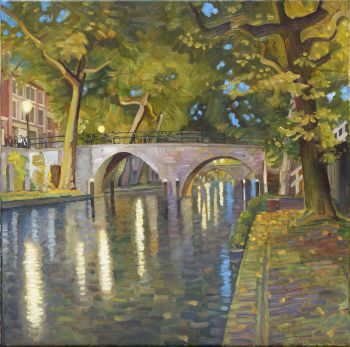
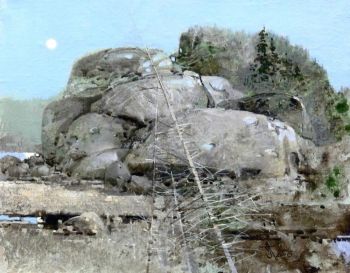
Oil on canvas
35x45 cm ,framed, signed
Tsai Hsia-Ling (蔡遐齢) was born in China in 1936.
He is part of the Ton-Fan group, a movement of pioneering abstract artists in China, Europe and the U.S., also known as Société de Peinture de l’Orient. It’s a Taiwanese avant-garde art movement founded in Taipei by Ho-Kan in 1956.
The group’s formation played an important role in the development of Taiwanese art and the history of 20th-century Chinese art.
He and Hsiao Chin were the first Chinese artists who were also active in Italy in the post-World War II period.
Little is known about this artist’s recent history and his works are difficult to find on the market.
2017 From China to Taiwan: Pioneers of Abstraction (1955–1985), Museum of Ixelles, Ixelles, Belgium
1972 Contemporary Arts Center, Cincinnati, U.S.A.
1971 Salon Grands et jeunes d’aujourd’hui, Paris, France
1970 Cité Internationale des Arts, Paris, France
1969 Galleria Banco, Bolzano, Italy
Galleria Numero, Florence, Rome, Prato, Italy
1965 Galleria Grattacielo, Lugano, Switzerland
1964 Galerie Senatore, Stuttgart, Germany
Museum of Art Carnegie Institute, Pittsburgh, U.S.A.
1963 New Art Gallery, La Jolla, San Diego
Galleria Numero, Florence, Italy
Museum Leverkusen, Leverkusen, Germany
1962 Museum Leverkusen, University Missina
1961 Galleria Grattacielo, Lugano, Switzerland
Galerie Nächst St. Stephan, Vienna, Austria
Palazzo Pretorio Prato, Italy
Museum of Art Carnegie Institute, Pittsburgh, U.S.A
1960 News Daily Press News Building, Taipei, Taiwan
1st Hong Kong International Salon of Paintings, St John’s Cathedral, Hong Kong
(Solo) Galleria Numero, Florence, Italy
1959 National Taiwan Art Hall, Taipei, Taiwan
(Solo) Galleria Numero, Florence, Italy
1958 News Daily Press News Building, Taipei, Taiwan
Tsai Hsia-Ling 蔡遐齢 pinyin Cai Xialing
1935 Tsai Hsia-Ling 蔡遐齢 was born in Suzhou China.
1949 He left China for Taiwan.
He studied at the Provincial Normal University of Taipei.( Fine Arts department )
and began to frequent the artists : Ho Kan at the origin of the first movement of
Chinese Art, rather abstract Art - Hsiao Chin and Li Yuan-Chia..
He joined the eight outlaws Ton Fan Grouo pinyin dongfang huahui 东方画会 Orient
Movement, as they were called, because of their revolt with respect to artistic standards.
Chen Tao Ming , Hsia Yan, Hsiao Ming-Hsien, Hsiao Chin, Li Yuan-Chia, Ouyang Wen-Yuan,
Wu Hao and participated in the exhibitions of the Avant-garde group.( 1958-1960 )
1961 He went to live in Germany and stayed there for seven years.
Daniele Sicard
•
Solo exhibitions selection
1959 Numero Gallery Florence Italy
1960 Numero Gallery Florence Italy
Collective exhibitions selection
1960 1rst International Salon of Paintings Hong Kong
1960 05.01 30.01 The Ton Fan Group Mi Chou Gallery New York United States
1960 New Daily Press,News Building Taipei Taiwan
1960 30.05 06.12 Ton Fan Group Mi Chou Gallery NewYork United States
1960 Museum of Art Carnegie Institute Pittsburgh United States
1960 Palazzo Pretorio Prato Italy
1961 Grattacielo Gallery Lugano Switzerland
1962 Leverkusen Museum Leverkusen Germany
1963 Numero Gallery Florence Italy
1963 New Art Gallery La Jolla San Diego United States
1964 Museum of Art Carnegie Institute Pittsburgh United States
1964 Senatore Gallery Stuttgart Germany
1965 Grattacielo Gallery Lugano Switzerland
1969 Numero Gallery Florence Italy
1969 Banco Gallery Bolzano Italiy
1970 International City of Arts Paris France
1971 Salon des Grands et Jeunres d'Aujourdh'ui Paris France
1972 Contemporary Art Center Cincinnati United States
2017 From China To Taiwan - Pioneers of Abstraction ( 1955-1985 ) Ixelles Museum Ixelles Belgium